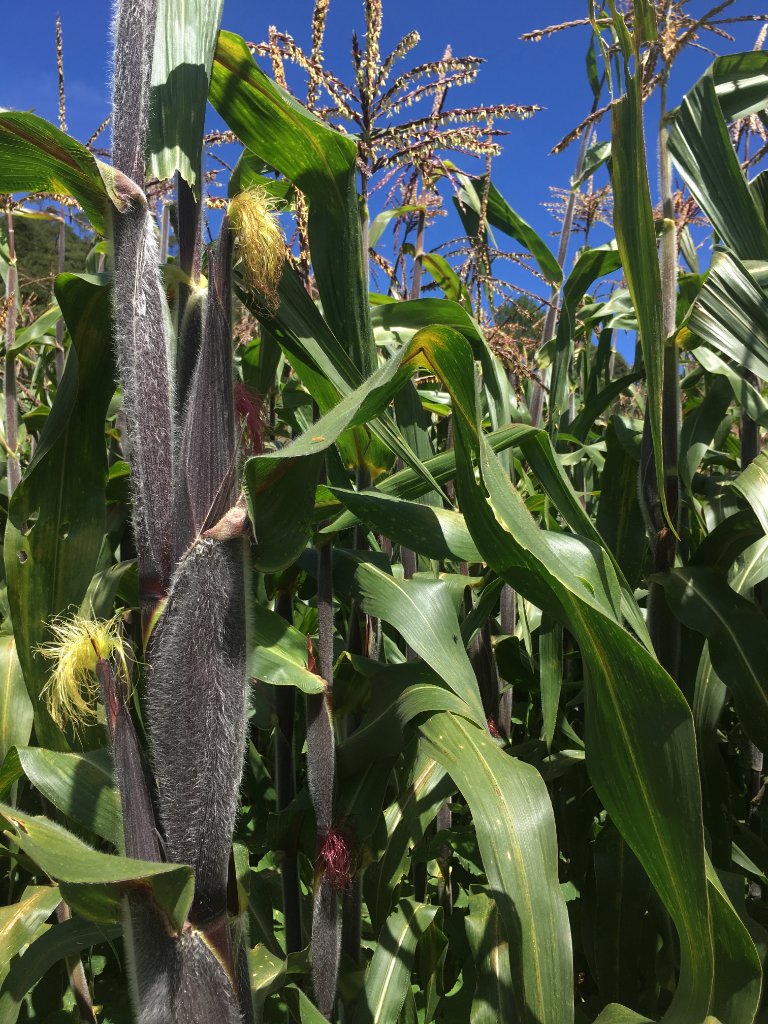
Flagship project
Reassembling the Milpa
Reassembling the Milpa: Multispecies Entanglements of Foraged Foods in Highland Mexico
PhD Dissertation, Department of Environmental Sciences and Policy, Central European University, 2025
Scholarly intervention
Reassembling the Milpa develops a multispecies political ecology of agricultural biodiversity, demonstrating how plants, insects, and fungi commonly classified as weeds, pests, and pathogens participate in the ecological and cultural reproduction of campesino agriculture. By examining the relational and political conditions through which these organisms become food, nuisance, commodity, or disease, the project challenges conventional agricultural classifications and offers a different account of agrarian transformation.
Flagship project
Project overview
This project examines the milpa agroecosystem of highland Mexico through sustained ethnographic engagement with three overlooked species — chapulines (grasshoppers), quelites (wild greens), and cuitlacoche (corn smut). Drawing on fifteen months of fieldwork in the Puebla–Tlaxcala Valley, it traces how these species move between fields, kitchens, markets, and laboratories, revealing the milpa not as a static polyculture but as a dynamic multispecies assemblage shaped by ecological relationships, culinary practice, political economy, and ecological memory.
Flagship project
Central argument
The milpa is conventionally understood as a polyculture of maize, beans, and squash. This project argues that the milpa is better understood as a multispecies assemblage — a shifting constellation of cultivators, crops, foraged plants, insects, fungi, soils, and microbes whose relationships sustain agricultural biodiversity, ecological memory, and food sovereignty. Through ethnographic engagement with chapulines, quelites, and cuitlacoche, I show how these overlooked species are not marginal to the milpa but central to its ecological and cultural reproduction, and how their gourmandization, erasure, or persistence reveals the political economies and more-than-human politics that shape agrarian life.
Flagship project
Ethnographic setting
The Puebla–Tlaxcala Valley is one of the oldest continuously cultivated landscapes in the Americas. Its milpa agroecosystems — polycultures of maize, beans, squash, and dozens of companion species — have sustained campesino and Indigenous communities for millennia. Fieldwork centered on three communities: San Mateo Ozolco in Puebla, where native maize and seed-saving practices persist; and the agroecology networks of Vicente Guerrero and Ixtenco in Tlaxcala, where campesino organizations practice participatory research and seed sovereignty.
Highland Mexico
Puebla–Tlaxcala Valley
The primary ethnographic site, where sustained fieldwork examines milpa cultivation, foraging, and the ecological relationships among crops, insects, and fungi.
Puebla
San Mateo Ozolco
A community maintaining native maize, seed-saving practices, and communal milpa cultivation.
Tlaxcala
Vicente Guerrero & Ixtenco
Agroecology networks and campesino organizations engaged in participatory research and seed sovereignty.
Flagship project
Theoretical intervention
The project develops a framework of multispecies political ecology for the milpa, arguing that agricultural biodiversity is not a static inventory of species but a continually negotiated outcome of relationships among people, plants, insects, fungi, soils, and political economies. It brings more-than-human scholarship into sustained conversation with political ecology, food sovereignty, and biocultural diversity, showing how overlooked species — foraged insects, wild greens, and crop pathogens — are constitutive of, rather than peripheral to, agrarian life and ecological memory.
Flagship project
Ethnographic cases

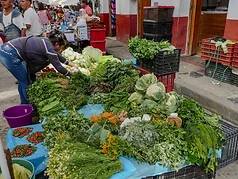
Wild greens
Quelites
Foraged edible plants of the milpa whose cultivation, gathering, and culinary use sustain biocultural diversity and everyday ecological knowledge across generations.

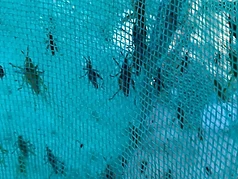
Grasshoppers
Chapulines
Foraged insects whose gourmandization in Oaxaca and Mexico City intersects with their foraging in the Puebla–Tlaxcala Valley, raising questions about commercial foraging, more-than-human politics, and the commodification of marginal foods.

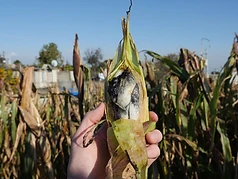
Corn smut (Ustilago maydis)
Cuitlacoche
A fungus that infects maize ears, valued as a delicacy and examined as a site where agricultural pathology, culinary value, and multispecies relationality converge.
Flagship project
Methodology
- •Multispecies ethnography
- •Participant observation in milpa cultivation and foraging
- •Semi-structured interviews with cultivators, foragers, and market vendors
- •Oral histories of agricultural practice and ecological knowledge
- •Participatory mapping of foraging landscapes and milpa biodiversity
- •Archival and linguistic research on Nahuatl and Spanish agricultural terminology
Flagship project
Principal findings
The milpa as multispecies assemblage
Agricultural biodiversity in the milpa depends not only on the cultivated triad of maize, beans, and squash but on a shifting constellation of foraged plants, insects, fungi, and microbes whose relationships sustain ecological memory and food sovereignty.
Relational classification
Species commonly classified as weeds, pests, and pathogens — quelites, chapulines, cuitlacoche — are constitutive of, not peripheral to, the milpa. Their status as food, nuisance, commodity, or disease is determined by relational and political conditions rather than inherent biological properties.
Gourmandization and commodification
The gourmandization of chapulines in Oaxaca and Mexico City intersects with their foraging in the Puebla–Tlaxcala Valley, revealing how urban culinary demand reshapes rural more-than-human relationships, labor regimes, and campesino livelihoods.
Ecological memory and persistence
Foraged foods sustain biocultural diversity and ecological memory across generations, challenging narratives of agricultural simplification and demonstrating how overlooked species sustain food sovereignty amid industrial transformation.
Flagship project
Scholarly outputs
Reassembling the Milpa: Multispecies Entanglements of Foraged Foods in Highland Mexico
PhD Dissertation, Central European University · 2025
Alliances for Milpa Agriculture: Maize–Human–Insect
In Great Human Master Plans and Their Non-Human Challengers · in preparation
De comida marginalizada a superalimento: El caso de la gourmandización de los chapulines en Oaxaca y la Ciudad de México, y su recolección en el Valle de Puebla–Tlaxcala
In Etnobiología a la mexicana: métodos, consejos y lineamientos selectos de campo · in preparation
More-than-Human Politics: The Case of Chapulines in México
Theoretical Debates on Environmental Problems, CEU · 2019
Gourmet Chapulines: How This Insect Jumped from the Fields to Chefs' Kitchens and the Politics of Foraging Commercial Insects
PhD Faculty Seminar, CEU · 2019
Digital scholarship
Milpa Assemblages
A digital ethnographic atlas of multispecies life, agricultural knowledge, and foodways in highland Mexico.
In development
Extending the dissertation into a collaborative, publicly accessible reference for researchers, practitioners, and community knowledge holders — documenting the ecological, cultural, and linguistic diversity of the milpa agroecosystem.
Flagship project
Future directions
The dissertation, completed and defended at Central European University in 2025, is being revised into a book manuscript that extends the argument through comparative material and deeper engagement with the political ecology of agricultural classification.
Reassembling the Milpa: A Multispecies Political Ecology
The book manuscript in preparation revises and expands the doctoral research into a book-length contribution to multispecies political ecology, incorporating additional ethnographic material, comparative cases, and a fuller theoretical engagement with the politics of agricultural classification.
Related research
Related research extends the project's framework to other foraged foods and agrarian contexts, including the gourmandization of chapulines, the politics of milpa seed sovereignty, and comparative work on biocultural diversity in the Bolivian Andes and the Chiloé Archipelago.