Research
Research
My fieldwork spans three regions: the Puebla–Tlaxcala Valley in highland Mexico, the Bolivian Andes, and Chile's Chiloé Archipelago. In each site, I work alongside campesino and Indigenous communities through ethnographic and participatory methods, tracing how agricultural knowledge, food sovereignty, and ecological memory take shape through everyday relationships among people, crops, fungi, insects, and landscapes.
Research
Current writing and research
Ongoing projects organized by research theme, with verified public status for each.
Multispecies political ecology and agrarian transformation
Reassembling the Milpa
Abstract
The book manuscript revises and expands my doctoral research into a book-length contribution to multispecies political ecology, examining how plants, insects, and fungi classified as weeds, pests, and pathogens participate in the ecological and cultural reproduction of campesino agriculture.
Research contribution
Develops a framework of multispecies political ecology for the milpa, challenging conventional agricultural classifications and offering a relational account of agrarian transformation.
Situated knowledge, weed classification, and campesino agroecology
The Situated Politics of Agroecology
Abstract
This article examines how the classification of quelites as weeds or wild greens is a situated political act, shaped by agrarian histories, ecological knowledge, and the political economies of agriculture. Drawing on ethnographic fieldwork in the Puebla–Tlaxcala Valley, it argues that agroecological practice depends on situated forms of classification that challenge the universalizing categories of industrial agriculture.
Research contribution
Contributes to scholarship on situated knowledge and the political ecology of classification by showing how the category of weed is a political and relational achievement, not a botanical fact.
Culinary value, agrarian labor, foraging, and commodification
Gourmandization of Chapulines
Abstract
This article traces the gourmandization of chapulines (grasshoppers) from campesino foraging in the Puebla–Tlaxcala Valley to upscale restaurants in Oaxaca and Mexico City, examining how culinary value, labor regimes, and commodification reshape more-than-human relationships and campesino livelihoods.
Research contribution
Contributes to scholarship on food commodification, foraging economies, and multispecies politics by showing how urban culinary demand reconfigures rural ecological relationships and labor.
Multispecies digital ethnography
Milpa Assemblages
Abstract
A digital ethnographic atlas of multispecies life, agricultural knowledge, and foodways in highland Mexico, extending the dissertation into a collaborative, publicly accessible reference for researchers, practitioners, and community knowledge holders.
Research contribution
Contributes to digital scholarship and public anthropology by making ethnographic research accessible beyond the academy and documenting the ecological, cultural, and linguistic diversity of the milpa agroecosystem.
Biocultural and linguistic diversity
Dictionary of Milpa Agroecosystems
Abstract
A collaborative reference volume documenting the ecological, cultural, and linguistic diversity of the milpa agroecosystem, conceived as an edited reference with a planned digital edition.
Research contribution
Contributes to biocultural diversity scholarship and collaborative research by documenting the linguistic and ecological diversity of the milpa in an accessible reference format.
Current research
Three directions
My current research builds from the dissertation toward a book manuscript, extends into the situated politics of agroecology, and opens emerging comparative and postdoctoral directions across Latin America.
Reassembling the Milpa
Dissertation completed 2025 · book in preparationDissertation → book manuscript
My doctoral research argues that the milpa is best understood not as a polyculture of maize, beans, and squash but as a multispecies assemblage — a shifting constellation of cultivators, crops, foraged plants, insects, fungi, soils, and microbes. Through ethnographic engagement with chapulines, quelites, and cuitlacoche in the Puebla–Tlaxcala Valley, I show how these overlooked species are central to the milpa's ecological and cultural reproduction, and how their gourmandization, erasure, or persistence reveals the political economies and more-than-human politics that shape agrarian life in highland Mexico.
Chapulines
Foraged grasshoppers whose gourmandization raises questions about commercial foraging and more-than-human politics.
Quelites
Wild greens whose gathering and culinary use sustain biocultural diversity and everyday ecological knowledge.
Cuitlacoche
Corn smut examined as a site where agricultural pathology, culinary value, and multispecies relationality converge.
Manuscripts in progress
Alliances for Milpa Agriculture: Maize–Human–Insect
In preparation for Great Human Master Plans and Their Non-Human Challengers
De comida marginalizada a superalimento
In preparation for Etnobiología a la mexicana
Situated Politics of Agroecology
OngoingOngoing research
This research direction examines how seed saving, foraging, communal cultivation, and other agroecological practices contribute to alternative food futures in rural Mexico and Latin America. In San Mateo Ozolco, Puebla, families continue to cultivate native maize and maintain seed-saving practices. In Vicente Guerrero and Ixtenco, Tlaxcala, agroecology networks and campesino organizations sustain participatory research and seed sovereignty. Together, these cases offer a situated perspective on re-peasantization, agroecological resilience, and the ongoing political importance of campesino agriculture.
Related publications
Emerging Comparative and Postdoctoral Work
In developmentIn development
Building on the dissertation, I am developing a comparative research agenda that brings multispecies political ecology across Latin American field sites — the milpa agroecosystems of highland Mexico, the foodscapes of Chiloé, and the coca agricultures of the Bolivian Yungas — into conversation. This direction explores how biocultural diversity, ecological memory, and food sovereignty are negotiated across differently situated agrarian worlds, and how digital scholarship can make this work accessible to researchers, practitioners, and community knowledge holders.
Related projects
Dictionary of Milpa Agroecosystems
An edited reference project documenting the ecological, cultural, agricultural, and linguistic diversity of milpa systems, with a public digital edition intended to support collaboration among researchers, practitioners, and community knowledge holders.
Research themes
Three areas of contribution
The intellectual threads that connect my dissertation, current research, and emerging comparative work.
Multispecies Political Ecology
I bring multispecies ethnography into conversation with political ecology to examine how more-than-human relationships — among maize, insects, fungi, soils, and people — are entangled with agrarian change, ecological memory, and the political economies of agriculture.
Agroecology and Agrarian Change
My work analyzes how agroecological practices, seed saving, and communal cultivation sustain local knowledge and food sovereignty amid industrial agricultural simplification, agrarian displacement, and the global restructuring of food systems.
Food Sovereignty and Biocultural Diversity
I study how biocultural diversity — the interplay of biological, cultural, and linguistic diversity — is produced and sustained through everyday ecological knowledge, foraging, cultivation, and the transmission of agricultural practice across generations.
Field sites
Where I work
Three regions of sustained ethnographic and participatory engagement across Latin America.





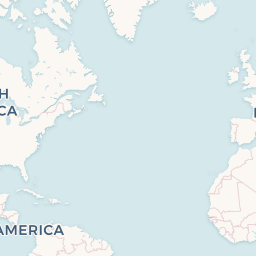





Puebla–Tlaxcala Valley
Mexico · Current fieldworkMy doctoral fieldwork examines the multispecies relationships surrounding foraged foods in milpa agroecosystems. The research focuses on chapulines, quelites, and cuitlacoche, attending to the ways cultivators engage with plants, insects, fungi, crops, and agricultural landscapes.
Puebla
San Mateo Ozolco
A community maintaining native maize, seed-saving practices, and communal milpa cultivation.
Tlaxcala
Vicente Guerrero & Ixtenco
Agroecology networks and campesino organizations engaged in participatory research and seed sovereignty.
Chiloé Archipelago
Chile · Previous researchThrough Fulbright-supported participatory research, I worked with small-scale farmers to document the foodscapes and agrobiodiversity of the Chiloé Archipelago. The project combined oral histories, ethnographic interviews, photography, and participatory mapping to explore relationships among agricultural knowledge, cultural identity, and local food systems.
Objectives
- •Collect oral histories with farmers
- •Use participatory mapping to document agricultural knowledge, agrobiodiversity, and local food networks
- •Work alongside farming communities and contribute to existing CET-Chiloé programs
- •Create opportunities for farmers and consumers to exchange knowledge about the archipelago's agricultural traditions
- •Develop maps representing underrecognized crops, production systems, local markets, landscapes, and culinary practices
- •Produce a collaborative visual record of farming, food, and agrobiodiversity
Methods
Research context
Chiloé is recognized by the Food and Agriculture Organization of the United Nations as a Globally Important Agricultural Heritage System for its agricultural biodiversity, particularly its native potato varieties. Farmers also maintain a wide range of crops and livestock that contribute to household food security and help families respond to pathogens, uncertain rainfall, and fluctuating prices.
The project uses foodscapes as a framework for examining the multiple places, practices, and relationships through which food is cultivated, exchanged, prepared, and consumed. This perspective provides a way to understand connections among agriculture, culture, knowledge, economy, and landscape across the archipelago.
Bolivian Yungas, La Paz, and Beni
Bolivia · Previous researchMy master's research focused on coca, native foods, and food sovereignty alongside campesino and Indigenous farmers in the Bolivian Andes. I also contributed to research on wild relatives of cacao in the Bolivian Beni.
Gallery
From the field
The photographic archive is organized into five thematic collections. Each collection selects 8 to 15 images that function as ethnographic evidence rather than visual decoration, with location and photographer attribution provided where verified.
Collection
Multispecies Milpa
Crops, insects, fungi, and ecological relationships in the milpa agroecosystem — the multispecies assemblage that sustains agricultural biodiversity.
Collection
Campesino Agroecologies
Cultivation, seed saving, and knowledge exchange — the practices through which campesino communities sustain agricultural diversity and food sovereignty.
Collection
Foraged Foodways
Gathering, processing, markets, and cooking — the foodways through which foraged plants and fungi move from field and forest to kitchen and table.
Collection
Ethnographic Landscapes
The agricultural landscapes of the Puebla–Tlaxcala Valley — milpa plots, terraced hillsides, and highland valleys where ecological process and human habitation are co-produced.
Collection
Teaching in the Field
Courses, experiential learning, and educational activities — field-based pedagogy that situates academic learning in embodied agricultural practice and community knowledge exchange.