Kyle Piispanen, PhD
Environmental Anthropologist | Political Ecologist | Agroecologist
Multispecies Ethnography · Food Sovereignty · Biocultural Diversity · Agrarian Change · Latin America
I am an environmental anthropologist whose research examines the relationships among agricultural biodiversity, food systems, and agrarian change in Latin America. Drawing on multispecies ethnography and political ecology, I study how campesino and Indigenous communities cultivate, forage, and sustain ecological relationships amid agricultural transformation.
My doctoral research, Reassembling the Milpa, traces how chapulines, quelites, and cuitlacoche move between fields, kitchens, and markets in the Puebla–Tlaxcala Valley, revealing the milpa as a dynamic multispecies assemblage shaped by ecological relationships, culinary practice, and political economy.

Intellectual clusters
Multispecies Political Ecology
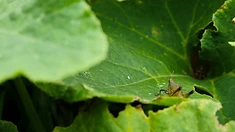
I bring multispecies ethnography into conversation with political ecology to examine how more-than-human relationships — among maize, insects, fungi, soils, and people — are entangled with agrarian change, ecological memory, and the political economies of agriculture.

Agroecology, Food Sovereignty, and Agrarian Change
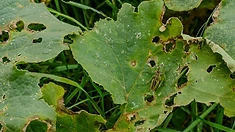
My work analyzes how agroecological practices, seed saving, and communal cultivation sustain local knowledge and food sovereignty amid industrial agricultural simplification, agrarian displacement, and the global restructuring of food systems.
Biocultural Diversity and Environmental Knowledge
I study how biocultural diversity — the interplay of biological, cultural, and linguistic diversity — is produced and sustained through everyday ecological knowledge, foraging, cultivation, and the transmission of agricultural practice across generations.
Flagship project
Reassembling the Milpa
Reassembling the Milpa: Multispecies Entanglements of Foraged Foods in Highland Mexico
PhD Dissertation, Department of Environmental Sciences and Policy, Central European University, 2025
The milpa is conventionally understood as a polyculture of maize, beans, and squash. This project argues that the milpa is better understood as a multispecies assemblage — a shifting constellation of cultivators, crops, foraged plants, insects, fungi, soils, and microbes whose relationships sustain agricultural biodiversity, ecological memory, and food sovereignty. Through ethnographic engagement with chapulines (grasshoppers), quelites (wild greens), and cuitlacoche (corn smut), I show how these overlooked species are not marginal to the milpa but central to its ecological and cultural reproduction, and how their gourmandization, erasure, or persistence reveals the political economies and more-than-human politics that shape agrarian life in highland Mexico.
Explore the project

Digital atlas
Milpa Assemblages
A digital ethnographic atlas of multispecies life, agricultural knowledge, and foodways in highland Mexico.
In development
Selected publications
Evidence of scholarly trajectory
A curated selection spanning peer-reviewed research, the dissertation project, a forthcoming chapter on milpa agroecology, and public scholarship on agroecological movements in Mexico.
Peer-reviewed article
Are the Major Imperatives of Food Security Missing in Ecosystem Services Research?
Ecosystem Services 19 (2016): 19–31
Cruz-Garcia, Gisella S., Erwan Sachet, Martha Vanegas, and Kyle Piispanen. 2016. "Are the Major Imperatives of Food Security Missing in Ecosystem Services Research?" Ecosystem Services 19 (June): 19–31.
View publicationDissertation
Reassembling the Milpa: Multispecies Entanglements of Foraged Foods in Highland Mexico
PhD Dissertation, Central European University, 2025
Piispanen, Kyle. 2025. "Reassembling the Milpa: Multispecies Entanglements of Foraged Foods in Highland Mexico." PhD in Environmental Science and Policy, Central European University.
Book chapter · Agroecology
Alliances for Milpa Agriculture: Maize-Human-Insect
Forthcoming in Great Human Master Plans and their Non-Human Challengers
Piispanen, Kyle. forthcoming. "Alliances for Milpa Agriculture: Maize-Human-Insect." In Great Human Master Plans and their Non-Human Challengers.
Public scholarship
El Caso Del Grupo Vicente Guerrero
Nicté Ha: Agroecología Desde el Sur, 13 (2021)
Piispanen, Kyle. 2021. "El Caso Del Grupo Vicente Guerrero." Nicté Ha: Agroecología Desde el Sur, 13.
View publicationFieldwork




Recent field notes
Mexico
Puebla–Tlaxcala Valley
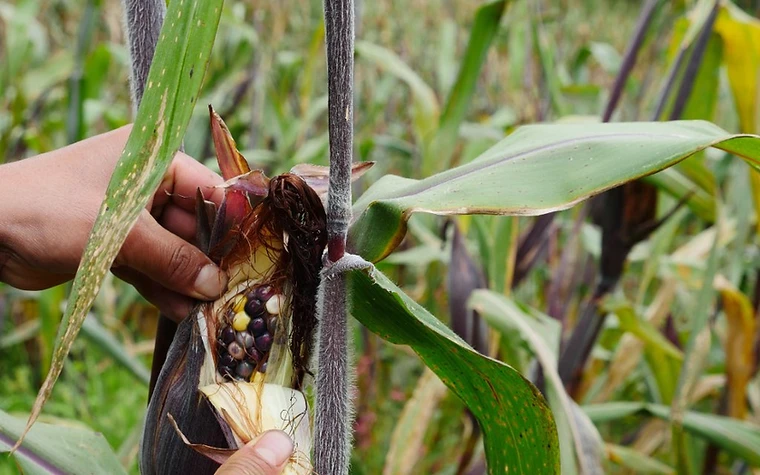
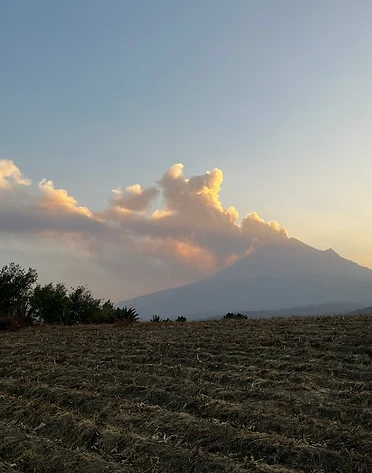
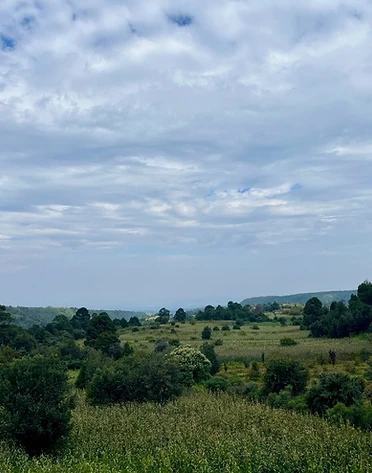
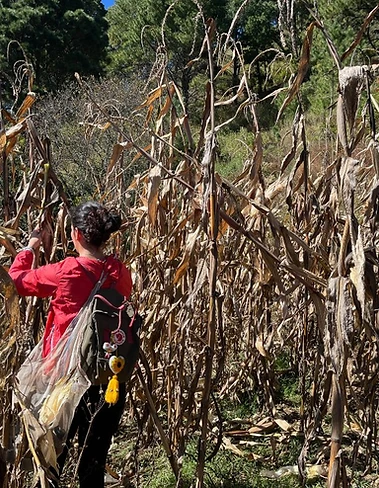
My doctoral fieldwork examines the multispecies relationships surrounding foraged foods in milpa agroecosystems. The research focuses on chapulines, quelites, and cuitlacoche, attending to the ways cultivators engage with plants, insects, fungi, crops, and agricultural landscapes.
Read the field notesTeaching
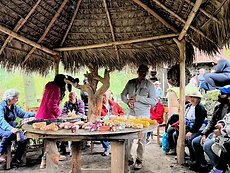
My teaching is rooted in an inclusive, dynamic, and experiential learning environment that inspires critical engagement with environmental anthropology, agroecology, sustainability, and biocultural diversity. Drawing from my interdisciplinary background and field experience across Latin America, Europe, and North America, I cultivate a space where intellectual curiosity thrives and learning extends beyond the classroom.
Teaching philosophy and courses
Experiential learning
Research, teaching, and collaboration
For academic opportunities, invited talks, and collaborative projects.